Living Along the Yeoor Hills Foothills: The Clean-Air Microclimate Advantage
Discover why properties bordering Sanjay Gandhi National Park enjoy lower temperatures, superior air quality, and unique valuation stability.
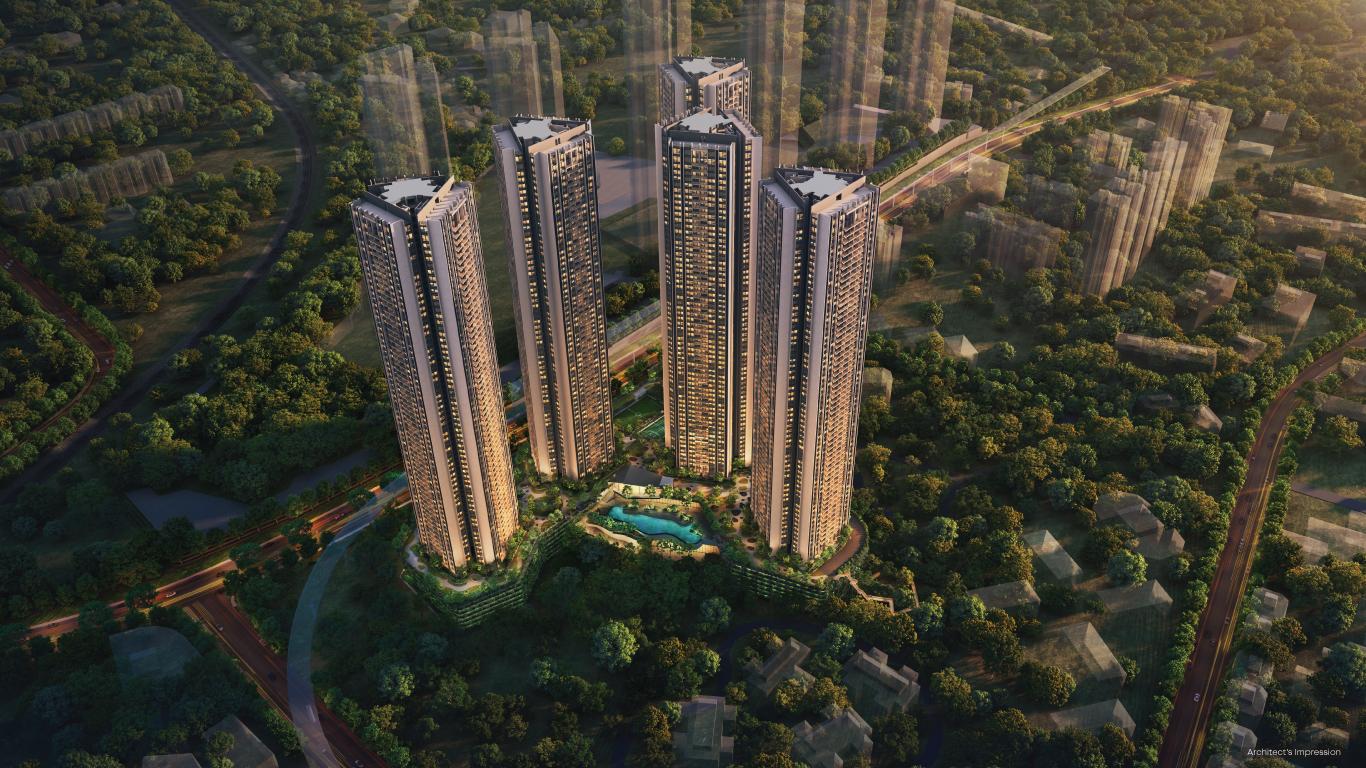
When urban dwellers think of the Mumbai Metropolitan Region, the images that come to mind are usually bumper-to-bumper traffic, concrete flyovers, and elevated air pollution indices. Yet tucked against the western perimeter of Thane lies an ecological sanctuary that defies every conventional stereotype of MMR living: the foothills of Yeoor and the boundary of Sanjay Gandhi National Park.
For an increasing number of luxury homebuyers, proximity to Yeoor is no longer just a picturesque backdrop on a marketing pamphlet; it is a vital health consideration. In an era where clean air and psychological wellness have become the ultimate luxury commodities, properties hugging the Yeoor green belt have developed a distinct micro-market identity and a loyal demographic of buyers.
Here is an in-depth exploration of what living along the Yeoor foothills genuinely looks like, the measurable scientific benefits of its microclimate, and the trade-offs you should evaluate before committing your capital.
The Science of the Microclimate: Cooler Air and Lower AQI
The most immediate sensation when you drive up Pokhran Road 1 or 2 toward Upvan Lake and the Yeoor foothills is the temperature drop. On hot summer afternoons, the ambient temperature in the foothills is consistently two to three degrees Celsius cooler than the concrete corridors of central Thane or Mulund.
This cooling effect is driven by the vast canopy of Sanjay Gandhi National Park, an unbroken forest reserve spanning over one hundred square kilometers. Dense tree cover transpires moisture into the atmosphere, creating localized convective breezes that sweep down the hillside during late afternoons and evenings.
Even more significant is the air quality differential. During the winter months from November to February, when Mumbai and Thane central frequently see Air Quality Index (AQI) readings spike into the unhealthy range of one hundred and eighty to two hundred and fifty, the foothills regularly record AQI levels thirty to fifty points lower. The heavy vegetation acts as a massive natural bio-filter, trapping particulate matter (PM2.5 and PM10) before it settles into residential communities. For families with young children suffering from respiratory sensitivities or elderly parents with cardiovascular concerns, this environmental difference translates into measurable daily health improvements.
The Upvan Lake and Yeoor Lifestyle Rhythm
Living along the foothills fosters a daily lifestyle rhythm that feels radically disconnected from the stress of urban commercial life. The epicenter of morning community life is Upvan Lake, a serene freshwater reservoir cradled by forested hills. At six in the morning, the lakeside perimeter promenade is filled with runners, walking clubs, yoga practitioners, and birdwatchers.
On weekends, instead of driving to a crowded shopping mall, residents have direct access to designated forest trails, cycling circuits, and quiet picnic pavilions. The Upvan Arts Festival, held annually along the waterfront, brings world-class classical musicians, visual artists, and cultural performers right to your doorstep. Living here means your weekend morning coffee is accompanied by birdsong, mountain mist, and rustling forest canopies rather than honking horns and construction hammering.
Residential Developments Bordering the Green Belt
The municipal zoning around the Yeoor foothills is strictly regulated under eco-sensitive boundary norms, which means unrestricted high-density vertical development is prohibited right against the forest line. This regulatory barrier creates permanent scarcity. Developers who acquired legal land parcels along Pokhran Road and the Upvan periphery have focused almost exclusively on premium, low-to-mid-density luxury projects.
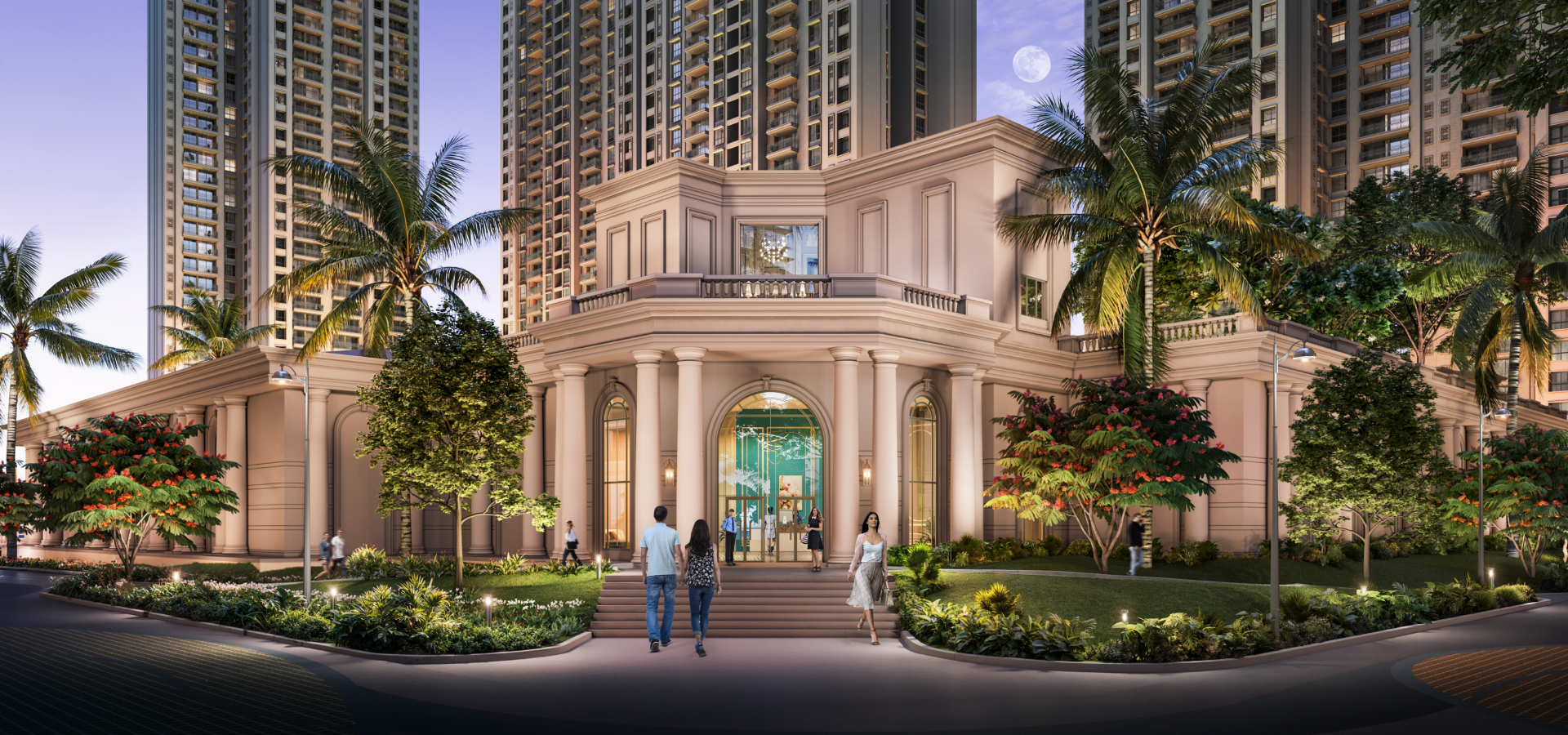
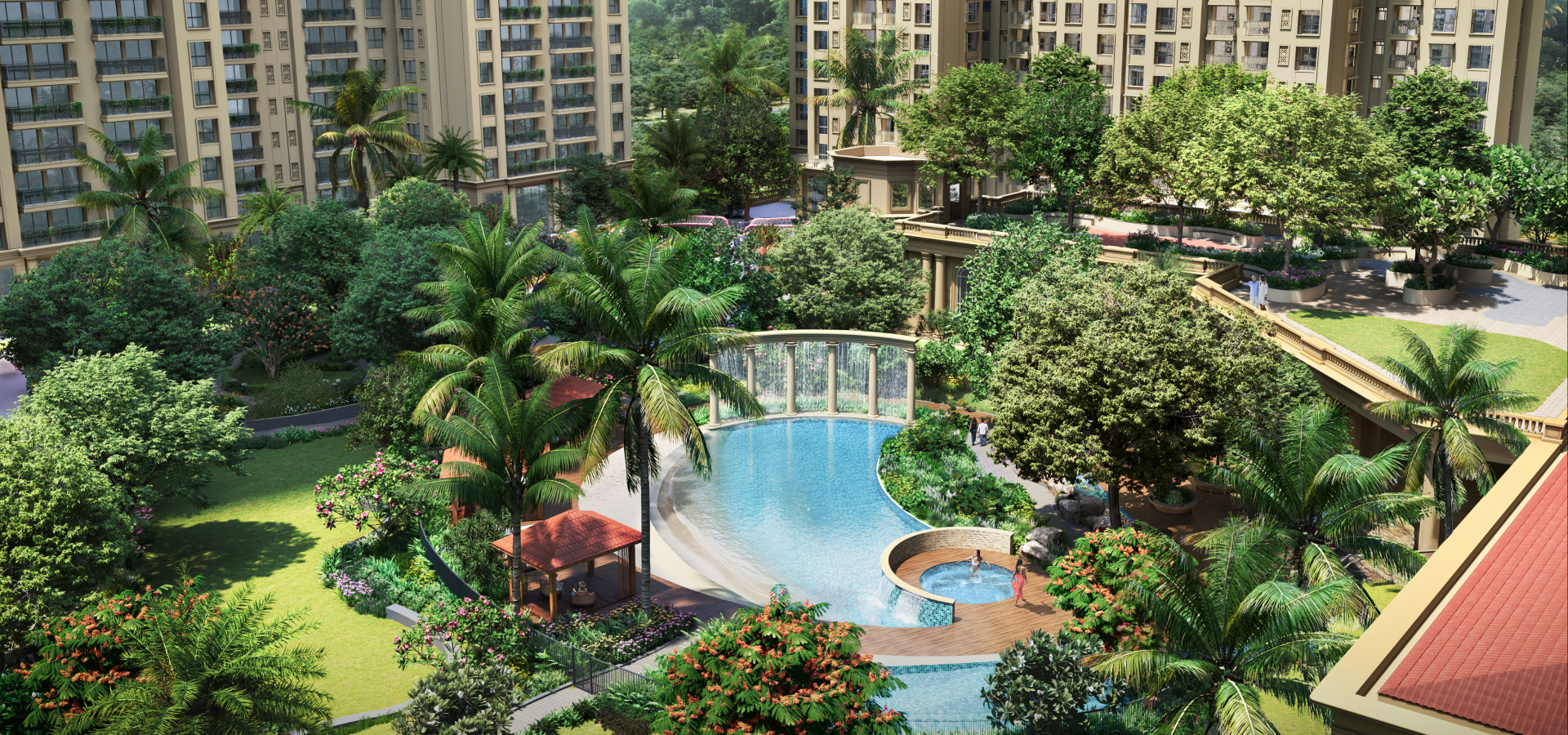
Notable developments in this corridor include established legacy complexes like Kalpataru Hills, Vasant Vihar, and newly emerging ultra-luxury developments like Oberoi Forestville. These projects are deliberately engineered to face inward toward the forest rather than toward the city skyline. Balconies are deep, living room windows are oversized, and master bedrooms are oriented to capture the sunrise cresting over the Yeoor ridge.
Because prospective development within the forest boundary is constitutionally barred under wildlife protection acts, buyers in these projects enjoy an amenity that money rarely buys in Mumbai: permanent, unblockable green views. You never have to worry that a sixty-story glass tower will be built fifty feet from your balcony five years down the road.
Daily Conveniences vs Environmental Solitude: The Trade-Offs
While living in the foothills offers immense lifestyle advantages, prospective residents must understand the practical trade-offs.
First is humidity and monsoon intensity. Because the hills trap incoming monsoon clouds, rainfall in the foothills is heavier and more persistent than in eastern Thane. During July and August, moisture levels are elevated. Luxury homes here require high-grade exterior waterproofing, anti-fungal paint formulations, and dehumidification considerations for walk-in wardrobes housing leather goods and expensive apparel.
Second is retail proximity. While Pokhran Road has excellent neighborhood markets, you will not find hyper-commercial street retail directly outside your building gate. For specialty shopping, cinema multiplexes, or high-end dining, you will take a ten-to-fifteen-minute drive toward Viviana Mall or Kolshet Road. For most residents who choose this corridor, this mild detachment is seen as an asset rather than an inconvenience; they prefer keeping commercial noise away from their living sanctuary.
Long-Term Value Retention and Generational Wealth
Real estate assets that border protected national reserves historically exhibit superior capital preservation during broader market downturns. In global cities like Vancouver, Sydney, and Cape Town, properties that interface with natural parks trade at thirty to sixty percent premiums over identical square footage located in standard urban grids.
In Thane, the Yeoor foothills represent finite, irreplaceable real estate. Wealthy buyers will always pay a premium for quietness, clean air, and verdant views. As urban density intensifies across the Mumbai Metropolitan Region over the coming decade, the scarcity value of homes along the Yeoor boundary will only become more pronounced. It is an investment in lifestyle and well-being that doubles as a defensive, generational wealth repository.
Is the air quality really better near Yeoor Hills?
Yes, studies and local sensors consistently show AQI levels near Yeoor Hills are 30 to 50 points cleaner than central city corridors due to dense forest bio-filtration.
Are views in projects facing Yeoor Hills permanently protected?
Yes, because Sanjay Gandhi National Park is a federally protected forest reserve, no commercial or high-rise construction can ever obstruct the green view line.
How far is the Yeoor foothills area from major Thane infrastructure?
The foothills along Pokhran Road sit within 7 to 10 minutes of major hospitals, top schools like Singhania, and Viviana Mall.