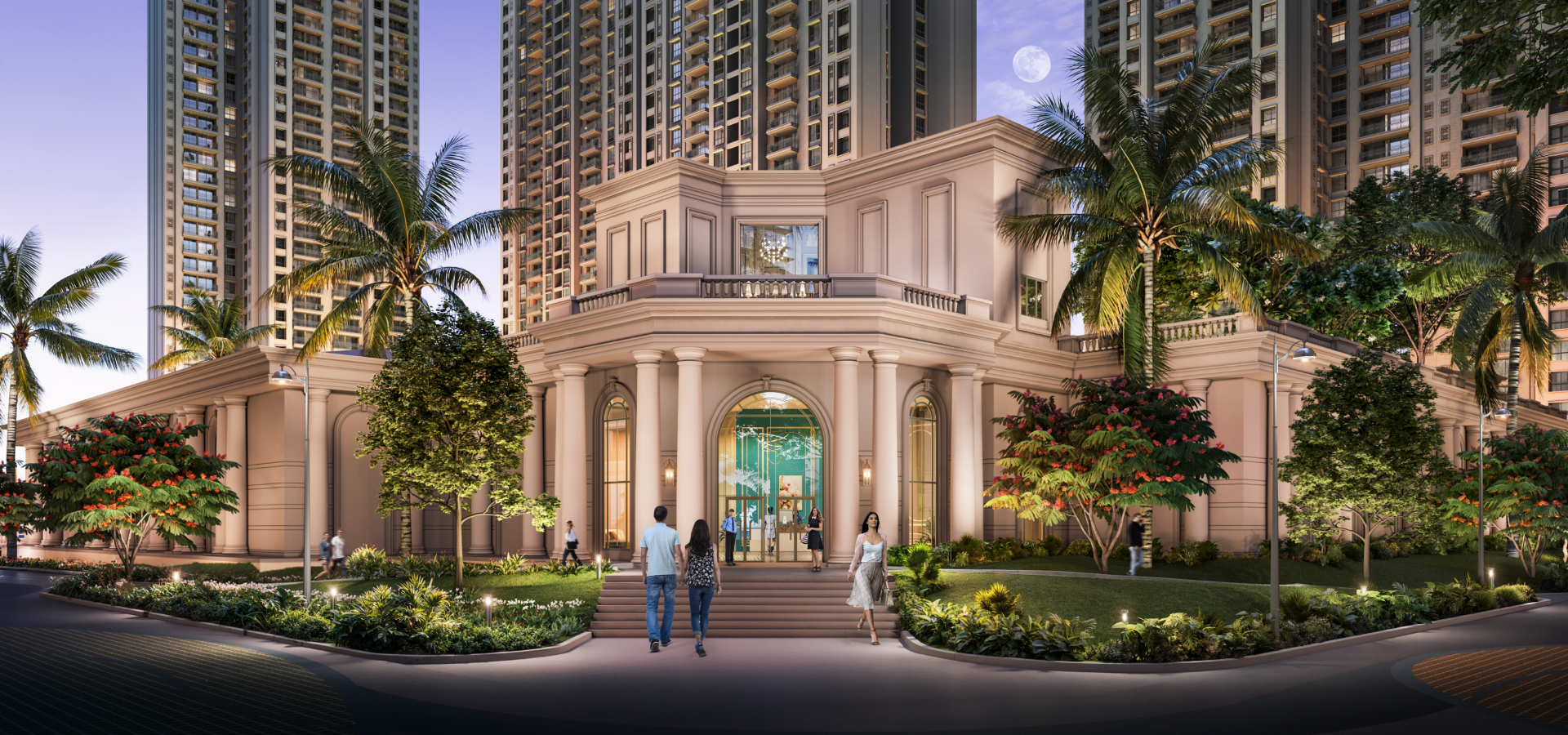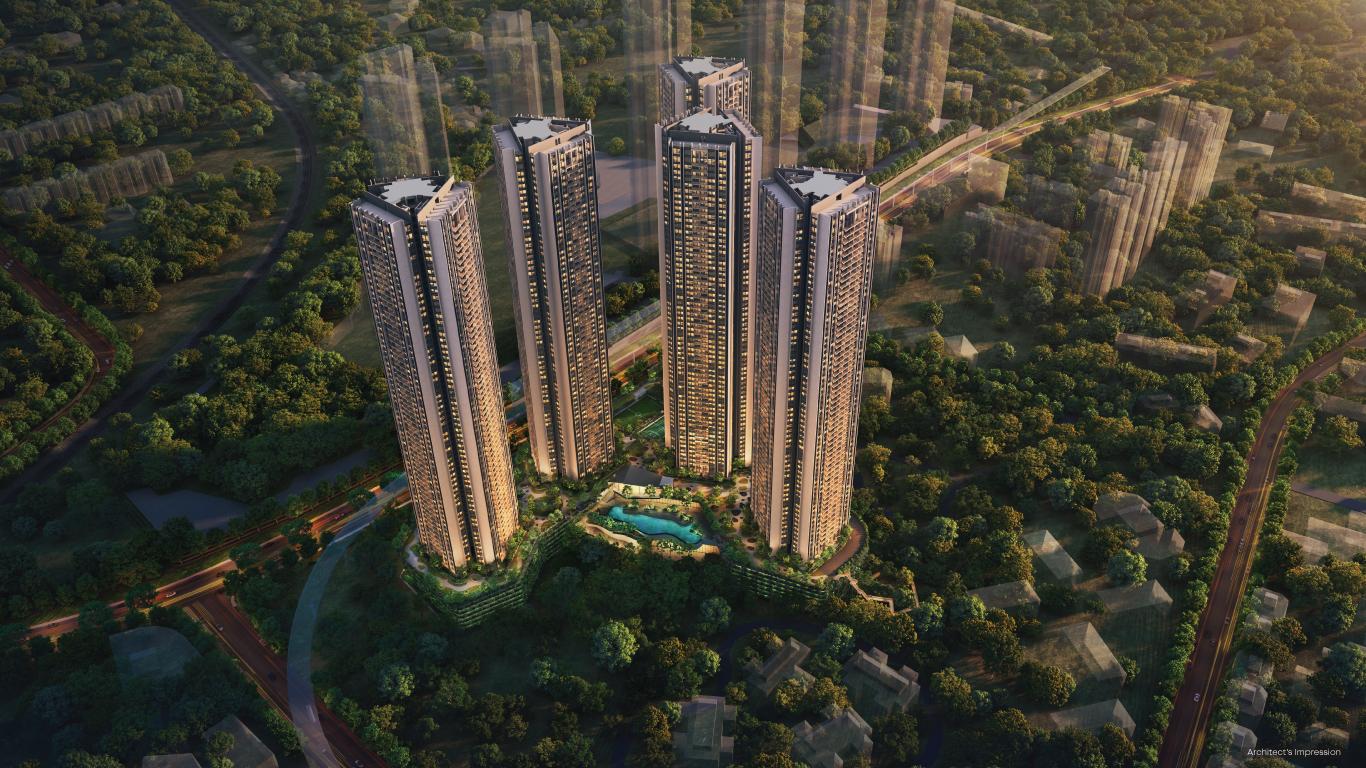
The Reality of Creekside Living in Balkum and Kolshet: Breezes, Migratory Birds, and Ecology
Waterfront residences command high premiums along Thane Creek. An objective environmental and investment analysis of living along the water.
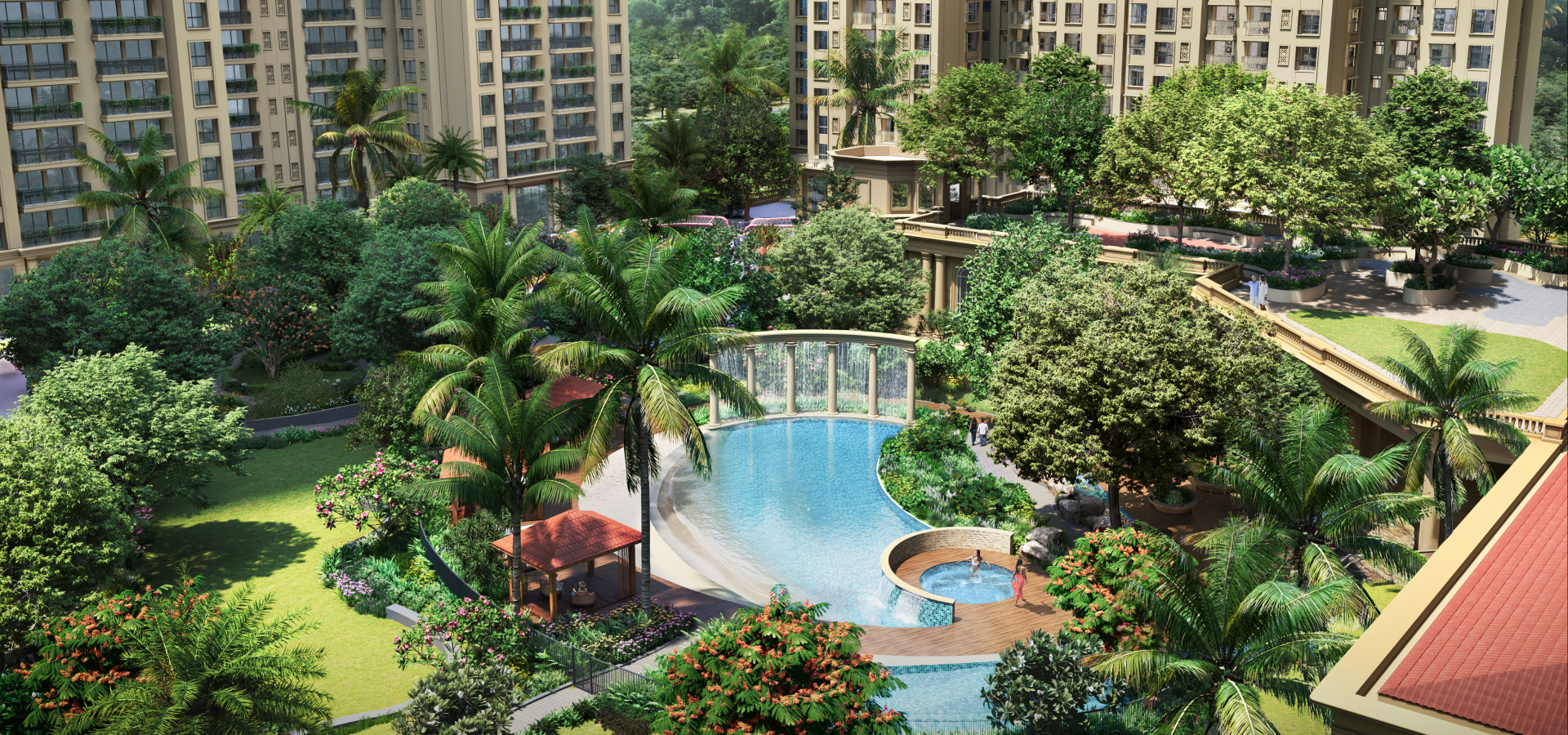
Throughout human history, water has been the ultimate geographic magnet for prime residential real estate. From Manhattan's Hudson River to London's Thames and Mumbai's Marine Drive, homes overlooking open water have commanded the highest pricing premiums and defined the pinnacle of luxury living.
In Thane, this timeless desire for waterfront living has centered along the expansive banks of Thane Creek and the Ulhas River estuary, spanning the burgeoning luxury residential corridors of Kolshet and Balkum. Developers have positioned waterfront towers as the ultimate lifestyle sanctuary, promising sweeping sunset vistas, cooling breezes, and peaceful escapes from urban chaos.
Yet waterfront environments possess unique ecological dynamics that differ fundamentally from inland concrete corridors. How real is the breeze? What about monsoon humidity and saline air corrosion? And does paying a twenty-five percent premium for a creek-facing apartment translate into superior long-term investment appreciation?
Here is an objective, environmental and financial evaluation of living along Thane's creekside waterfront.
The Aesthetic and Psychological Appeal: Unobstructed Natural Vistas
The most compelling argument for purchasing a creekside residence is the visual and psychological breathing room it provides. In a densely packed metropolitan region where high-rise towers frequently stare directly into opposing concrete balconies fifty feet away, looking out across hundreds of acres of open water, tidal mudflats, and mangrove reserves is a transformational sensory experience.
From the twentieth or thirtieth floor of a waterfront tower in Kolshet:
Psychological research consistently demonstrates that continuous visual access to natural bodies of water (often referred to as "blue space") lowers resting cortisol levels, reduces urban stress, and improves sleep quality. For high-stress corporate executives and business leaders, this visual calm provides an invaluable daily antidote to workplace pressure.
The Physical Microclimate: Sea Breezes and Convective Cooling
Waterfront real estate benefits from distinct thermodynamic properties. Because water heats up and cools down much more slowly than concrete and asphalt, creekside developments experience a pronounced diurnal breeze cycle.
During the late afternoon, as urban land in central Thane heats up, cooler air over the water rushes inland to replace the rising warm air, creating a continuous, refreshing breeze that sweeps through waterfront apartments. On warm pre-monsoon evenings in April and May, residents on upper floors can frequently turn off their air conditioning and enjoy natural cross-ventilation, an impossibility in congested city centers.
The Ecological Realities: Humidity, Salinity, and Monsoon Maintenance
While the lifestyle benefits of creekside living are profound, buyers must approach waterfront property ownership with open eyes regarding physical maintenance and environmental realities.
# 1. Saline Air and Accelerated Hardware Oxidation
Creek air carries fine suspended moisture and salt particles. Over a multi-year horizon, saline air accelerates the oxidation of exposed exterior metal hardware:
# 2. Monsoon Humidity and Wardrobe Protection
During July, August, and September, relative humidity along the water frequently hovers between eighty-five and ninety-five percent. In luxury master suites, walk-in closets housing expensive Italian leather bags, silk apparel, and bespoke tailored suits require dedicated climate management:
# 3. Mangrove Protection Laws and View Permanence
One of the greatest fears for any view-seeking buyer is that a future developer will construct a taller tower in front of their windows, destroying their panoramic vista.
Along the Kolshet and Balkum waterfronts, this risk is largely mitigated by strict environmental legislation. The Coastal Regulation Zone (CRZ) regulations and Maharashtra Mangrove Cell conservation mandates strictly prohibit permanent construction within designated mangrove buffers and coastal wetland zones. Before paying a view premium, have your property consultant verify that the land parcel directly in front of your tower is legally classified as non-developable CRZ-I mangrove territory, guaranteeing your panoramic water view in perpetuity.
Resale Scarcity Value: Why Waterfront Units Hold Their Premium
From an investment standpoint, waterfront inventory possesses an inherent economic advantage: geographic finiteness. A developer can always acquire an inland parcel and build another vertical tower, but the total linear meters of waterfront frontage in Thane is fixed by nature and cannot be expanded.
Secondary market transaction data across Kolshet and Balkum demonstrates that:
The Final Assessment
Creekside living in Kolshet and Balkum is not for everyone. If you dislike higher humidity levels or resent spending an extra ten percent on marine-grade exterior hardware and dehumidification systems, an inland park-facing residence may suit you better.
However, if you value waking up to the call of migratory flamingos, watching glowing sunsets over open water, and owning a scarce natural asset whose views can never be built out, a luxury waterfront apartment in Thane represents one of the most rewarding lifestyle and capital-preservation decisions available in modern MMR.
Do waterfront flats in Kolshet and Balkum suffer from bad odors?
Due to active tidal flushing and ongoing municipal creek rejuvenation programs, upper-floor luxury residences do not experience persistent odors, enjoying fresh sea breezes instead.
How much extra does a creek-facing flat cost in Thane?
Creek-facing residences typically command a 15% to 25% price premium over city-facing units within the same building due to permanent view scarcity.
Can a builder construct another building that blocks my creek view?
If the land directly facing the creek is officially designated as a Coastal Regulation Zone (CRZ-I) or protected mangrove buffer, commercial construction is legally prohibited.