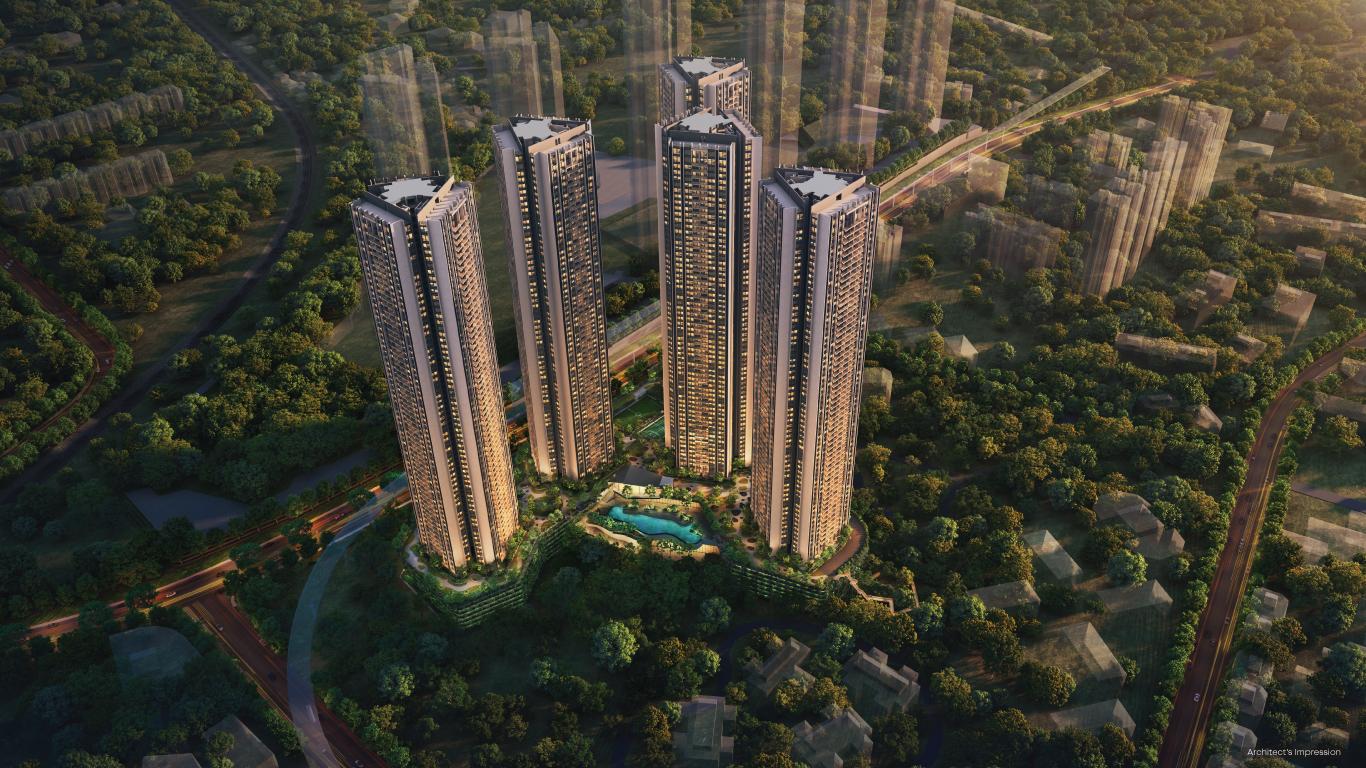
Inside Hiranandani Estate Rentals: Tenant Demographics, Yields, and Lease Secrets
An empirical deep-dive into rental performance inside Hiranandani Estate. Who rents here, how much they pay, and why tenant retention averages 3+ years.
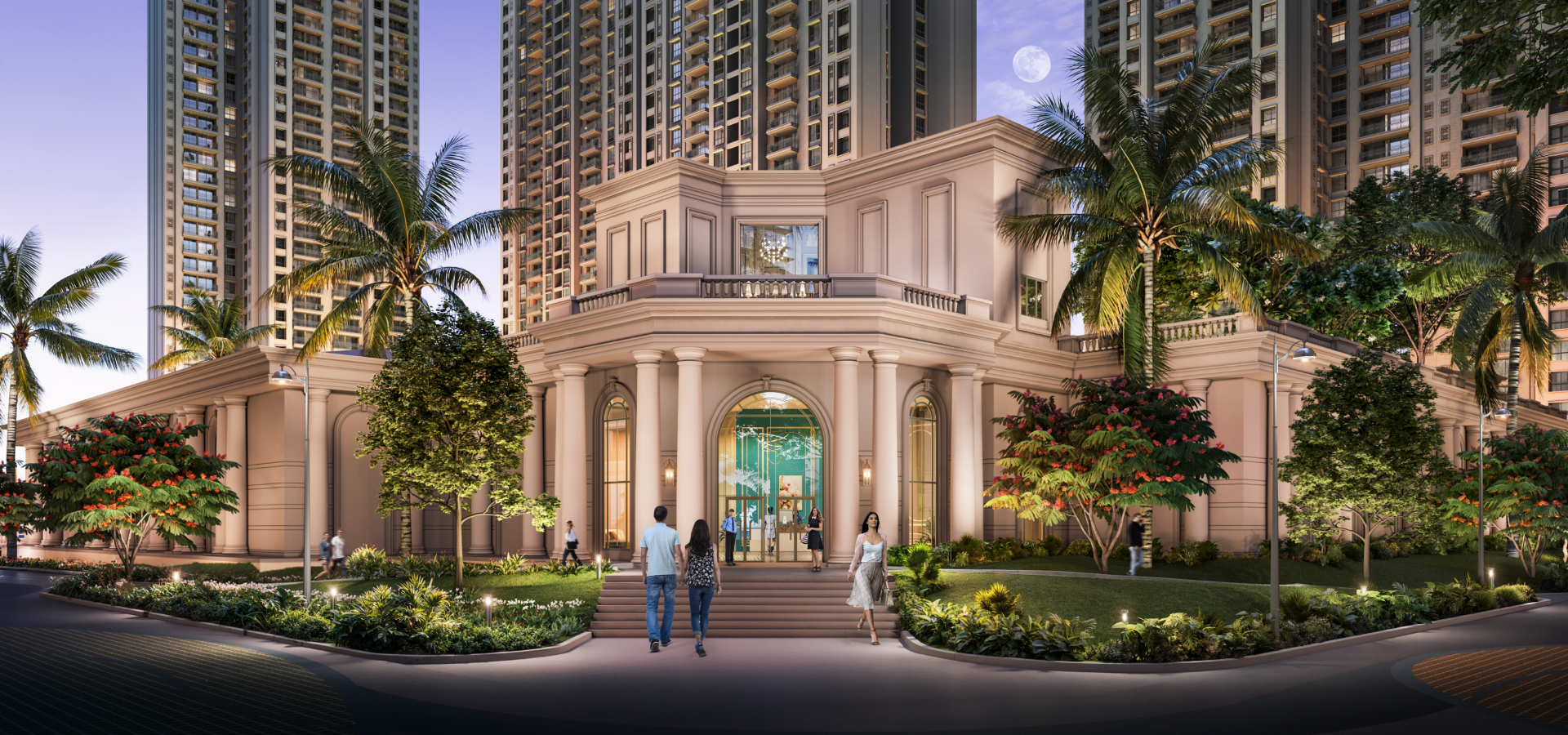
Among real estate investors in western India, Hiranandani Estate in Thane occupies a unique status. It is frequently described as an "investor's annuity." While other residential corridors experience volatile boom-and-bust rental cycles, vacancies that drag on for months, and tenant turnover that eats into annual returns, Hiranandani Estate has maintained remarkably high occupancy rates and consistent rental demand for over twenty years.
What makes this township such an enduring rental powerhouse? Who are the corporate executives and families willing to pay sixty thousand to one point two lakh per month to rent here? And what are the specific leasing strategies that allow landlords in Hiranandani to achieve net rental yields above three point five percent?
Having structured and managed hundreds of rental agreements within Hiranandani Estate, our advisory has pulled back the curtain on the numbers, tenant demographics, and operational secrets that drive this elite rental micro-market.
The Tenant Demographic Profile: Who Rents in Hiranandani Estate?
Understanding your tenant is the foundation of high-yield real estate investing. In Hiranandani Estate, the tenant pool is distinctly high-income and falls into three primary categories:
# 1. Senior Corporate Executives and Leadership Teams (45%)
With the massive expansion of commercial business parks inside Hiranandani Estate (including Quantum, Delphi, and the newly delivered Westgate campus) alongside corporate hubs in nearby Kolshet, senior directors, vice presidents, and country managers make up the largest rental segment. These executives work for multinational financial institutions, enterprise software firms, pharmaceutical giants, and management consultancies. Their rental allowances are generous, leases are frequently executed directly under corporate company lease structures, and payments are wired with clockwork reliability on the first of every month.
# 2. Relocating Families Prioritizing Education (35%)
A substantial segment of tenants consists of families who have relocated to Thane specifically to enroll their children in Hiranandani Foundation School (HFS) or nearby Singhania School. These parents are willing to pay a premium to live inside the gates so their children can walk to school safely. Because their residency is tied directly to their children's multi-year academic progression, these families exhibit exceptional lease stability, frequently remaining in the same apartment for four to seven years without moving.
# 3. Medical Professionals and Hospital Leadership (20%)
Thane's emergence as a premier healthcare hub; anchored by institutions like Jupiter Hospital, Bethany Hospital, and specialized clinics within the township; attracts a steady flow of senior consulting surgeons, specialized physicians, and hospital administrators seeking quiet, secure living environments within a ten-minute drive of emergency duty calls.
Rental Benchmarks: The Actual Market Rates in 2026
To evaluate investment feasibility accurately, you must discard outdated online portal listings and analyze actual transacted monthly rentals.
Here are the prevailing rental benchmarks across Hiranandani Estate for 2026:
Gross rental yields within the township consistently hover between three point three and three point nine percent. When combined with historical five to seven percent annual capital appreciation on the underlying asset, total annualized returns comfortably exceed nine to ten percent.
The 3-Year Tenant Retention Advantage
In standard residential leasing, the silent killer of investment returns is tenant turnover. Every time a tenant moves out after eleven months:
In Hiranandani Estate, the average tenant tenure exceeds thirty-eight months; more than three full years. Why? Because tenants become deeply integrated into the township's lifestyle ecosystem.
Once a family gets accustomed to walking their dog in landscaped parks, jogging along clean European-style sidewalks, walking their children to school, and doing their grocery shopping at The Walk without ever having to drive through city traffic, the prospect of moving elsewhere feels like a dramatic downgrade in daily quality of life. Even when landlords implement standard annual five to seven percent rental escalations, tenants overwhelmingly choose to renew their leases rather than face the friction of moving out.
Landlord Strategies for Maximizing Yield and Asset Health
To extract maximum performance from an investment property in Hiranandani Estate, experienced landlords implement four specific operational tactics:
1. Invest in Turnkey Semi-Furnishing: High-earning corporate executives will gladly pay an extra eight to twelve thousand rupees per month for a home equipped with an upscale modular kitchen, built-in wardrobes with soft-close Blum hardware, energy-efficient Daikin or Mitsubishi inverter air conditioners, and premium water heaters.
2. Prioritize Company Leases: Whenever possible, structure agreements as formal Corporate Company Leases with reputable listed corporations. Company leases provide airtight payment security, tax-deductible invoicing arrangements, and professional exit handover protocols.
3. Digital Leave and License Registration: Execute standard Maharashtra Leave and License agreements through biometric digital registration services, ensuring statutory compliance, mandatory 12-month lock-in periods, and explicit terms governing deposit refunds.
4. Professional Periodic Maintenance Inspections: Conduct a formal six-month walkthrough inspection (or delegate this to a property management advisory) to verify that plumbing lines, air conditioning compressors, and electrical panels are properly maintained.
By treating property ownership in Hiranandani Estate as a structured business asset rather than a passive hobby, investors secure a blue-chip, inflation-shielded income stream that compounds generational wealth effortlessly.
What is the average rental yield in Hiranandani Estate?
Gross rental yields in Hiranandani Estate range from 3.3% to 3.9%, significantly higher than South Mumbai or Bandra benchmarks.
Why do tenants stay longer in Hiranandani Estate compared to other areas?
The township's self-contained ecosystem, on-campus international school, walkable high street, and private security make families reluctant to move elsewhere.
How long does it take to find a tenant for a 2 BHK in Hiranandani Estate?
Due to intense corporate and family demand, a properly priced 2 BHK typically rents out within 10 to 14 days of hitting the market.